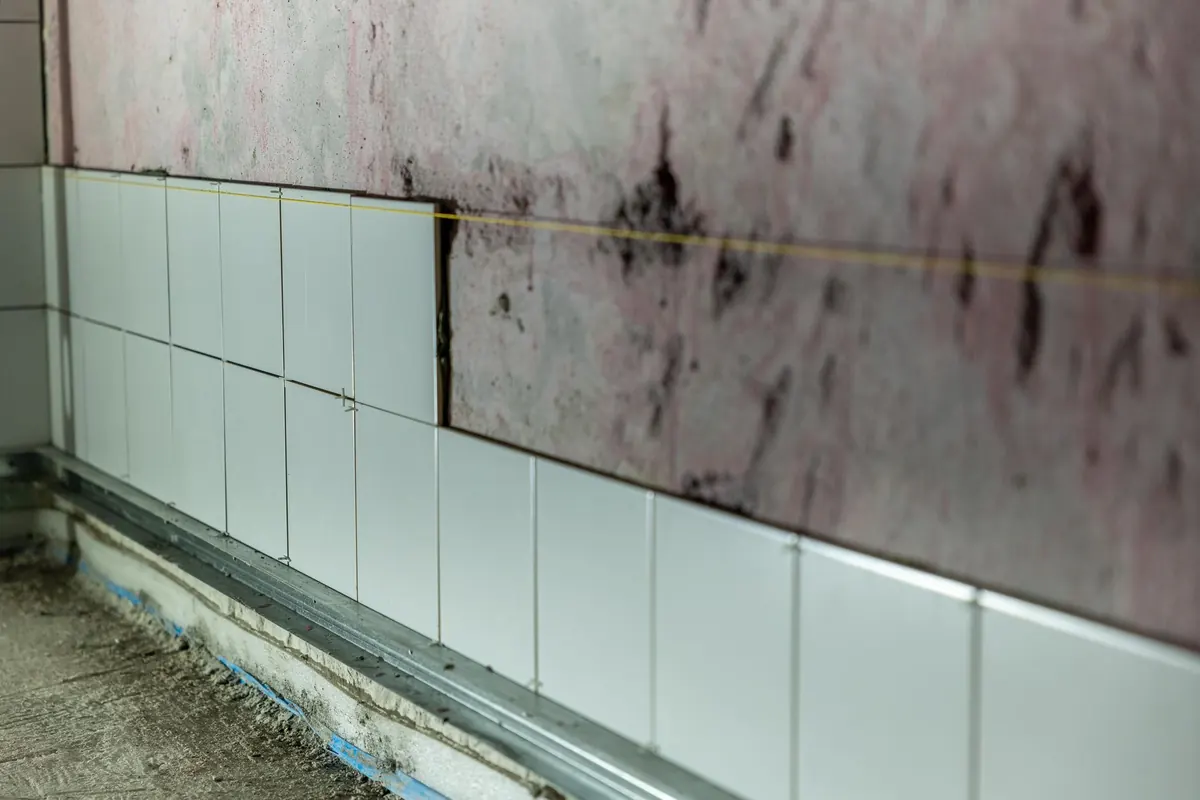
A single drip landing on the landing carpet at nine o'clock on a Sunday evening tells you two things: water is getting in, and you have a decision to make before the damage spreads. Roof repairs come in wildly different sizes, and the line between "I'll sort that on Saturday" and "ring someone" is not as obvious as it looks from the ground.
One thing is worth saying before anything else. The cheapest repair is the one you only have to do once. Whether you do it yourself or pay someone, the aim is the same: stop the water, keep it stopped, and don't create a second problem along the way.
Water is a poor guide to its own entry point. It runs along battens, down rafters and across ceiling joists, then appears somewhere else entirely. Before you buy sealant or ring anyone, find the source.
Go into the loft with a torch during heavy rain, or shortly after. Look for damp patches on the underside of the roof covering, dark staining on rafters, and daylight where there shouldn't be any. From a bedroom window, check the obvious suspects: slipped or cracked tiles, lifted flashing around the chimney, moss blocking a valley, crumbling mortar along the ridge.
Not every ceiling stain is a roof leak. Overflowing gutters, a weeping pipe or condensation in a cold, poorly ventilated loft can all look identical from below, and each has a completely different remedy. Diagnose first, spend second.
If the roof is low, the access is genuinely safe, and the job is cosmetic or minor, it is reasonable to have a go. Good candidates include:
"Handle" means a ladder on firm, level ground, footed by another adult, no wind, no rain, and both hands free. It does not mean leaning over a gutter from an upstairs window, and it never means walking on a fragile roof. Older roofs, in particular, are often far more brittle than they look. If your instinct says the roof feels soft underfoot, get off it.
A botched repair does not usually announce itself. It shows up months later as a damp patch near a chimney breast, a stained ceiling, or a section of plaster that has to come down.
The classic mistakes are predictable. Walking on tiles cracks the ones around the repair, so a one-tile job becomes a five-tile job. The wrong tile profile lets water track underneath. Silicone smeared over a joint traps moisture rather than shedding it. Mortar pointed into a ridge in cold weather fails within a season.
There is a paperwork angle too. If a DIY repair causes damage that then lands on your buildings insurance, the claim may be looked at very differently than one from storm damage. And if a new roof is under a contractor's guarantee, work carried out by someone else can void it. Where money, insurance or legal responsibility is involved, check your policy wording and take proper advice rather than relying on a forum thread.
Some work is not a test of competence; it is a question of access, equipment and insurance. Hand these over without guilt:
Listed buildings and conservation areas add another layer: repairs often need consent, and the wrong materials can cause real problems. If that applies to your home, speak to your local authority before work starts.
DIY rarely costs only the materials. Add the tools you don't own, the Saturday you lose, a safe way to get up there, and the cost of removing old tiles or mortar. Then add the cost of putting it right if it fails.
A professional quote, meanwhile, covers more than labour: access, insurance, waste removal and making good. That is why the two figures look so different, and why the cheaper option is not automatically the better one.
When you ask for a quote, be specific about what you want in writing:
Get three quotes for anything substantial, and don't simply pick the cheapest. The middle quote with clear paperwork is often the sensible choice.
Recurring leaks in different places are a signal. So are brittle, crumbling felt under the tiles, mortar that powders when you touch it, and a run of repairs in quick succession. Individually each is minor; together they usually mean the roof is near the end of its working life, and patching it is money spent on a delay rather than a fix.
A single localised leak, on the other hand, is usually worth repairing. Give it a season and see whether it stays dry. If you do decide on replacement, ask your contractor about insulation, ventilation and Building Regulations, since a new roof is often the moment to bring those up to standard.
Two questions settle most of these decisions. Can I get up there and back down safely, with the right materials and a realistic idea of what I'm doing? And if this goes wrong, who pays?
If the answer to the first is a clear yes and the second is only you, a small repair is a fair weekend's work. If either answer wobbles, book a roofer and spend the afternoon clearing the gutters instead. A temporary seal and a bucket will hold things until they arrive — most damage happens in the weeks people spend deciding.
Photo: Hans / Pixabay
A practical guide to preparing, priming and painting kitchen cabinets with eggshell or satin, including drying times...

A practical walkthrough of permissions, roof structure, stairs, insulation and hidden costs to sort before a UK loft...

A warm roof puts insulation above the structural deck, keeping timbers warm and condensation risk down. Here is how...

Inspiration for slate in your home.