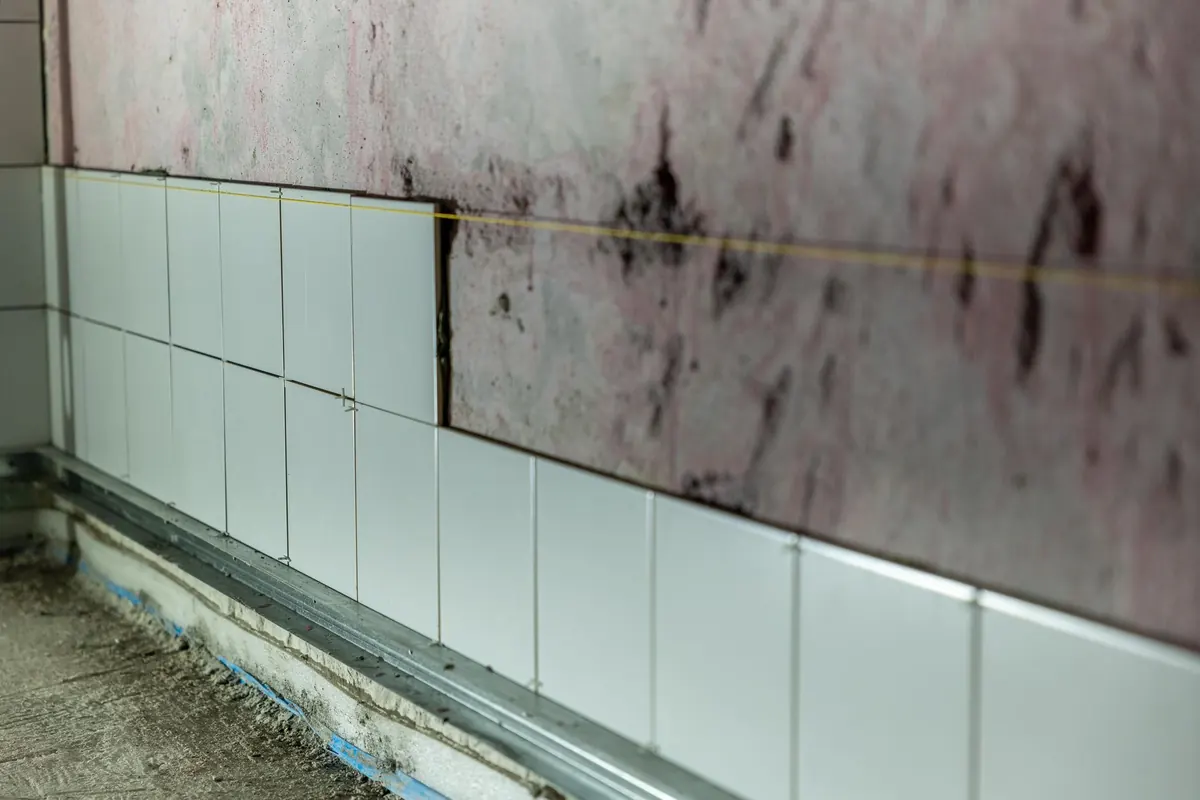
It's a familiar December morning in an older house: water pooling on the bedroom window sill, a bloom of black speckles behind the wardrobe, and that faint musty smell in the back bedroom. None of it means the house is falling down. Condensation is simply moisture in the air meeting a surface cold enough to turn it back into liquid, and solid brick walls, single-glazed sash windows and sealed-up chimneys make older UK homes very good at producing those surfaces. Most of it can be sorted with habits, a few inexpensive fittings and some modest insulation — no scaffolding, no skip.
Before you buy anything, work out what is putting moisture into the air. In most homes, it is ordinary living:
Everyday life puts litres of water into the air of a typical home. If that moisture cannot escape, it settles on the coldest thing it can find: glass, window reveals, external wall corners, and the plaster behind a wardrobe or bedhead.
Damp has three common causes and they need different answers. Condensation appears on cold surfaces, often overnight, and dries during the day. Rising damp shows as a tide mark low on the wall with crumbling plaster, usually on ground floors. Penetrating damp arrives after rain, often near a chimney, gutter or cracked render, and tends to spread rather than dry out.
If you have tide marks, salt staining or a patch that keeps growing, ask an independent surveyor to look before agreeing to any work. Damp-proofing injections are sometimes sold as a cure for what is really a ventilation problem, and they are expensive and disruptive. A little independent advice upfront can save a lot of money.
Moist air has to go somewhere. The most effective habit is short bursts of purge ventilation rather than leaving a window on the latch all day. Open windows wide for ten to fifteen minutes, twice a day, and again after a shower or a long cooking session. The air changes quickly, the walls and furniture stay warm, and you lose far less heat than you would with a window left ajar for hours.
Then look at the fittings:
Condensation forms on the coldest surface in the room, so a slightly warmer wall or pane makes a real difference. Run the heating at a steady background level rather than in short, fierce bursts. Cold walls take hours to warm through, and a house that swings from hot to cold will produce condensation every evening.
Where you cannot insulate, you can still take the chill off:
A cheap humidity monitor takes the guesswork out of all of this. Aim to keep indoor levels below roughly 60% for most of the day; if it creeps higher, ventilate or dehumidify.
Dehumidifiers are the practical backstop for cold, wet weeks when opening windows is unappealing. In an older, hard-to-heat house a desiccant model usually beats a compressor type, because it keeps working at low temperatures. Moisture-absorbing crystals are a small but useful addition for wardrobes and cupboards, and a window vacuum makes short work of morning sill puddles before they soak into frames and plaster.
Wipe mould away with warm soapy water and a cloth, then dry the surface thoroughly. Avoid brushing or dusting it dry, which sends spores into the air. For stubborn patches, use a proprietary mould remover and follow the instructions exactly — ventilate the room, wear gloves, and keep a window open while you work. Anti-mould paint helps, but only once the moisture problem is fixed; painting over a cold, damp wall hides the issue for a season at best.
If anyone in the house has asthma or another breathing condition, or if damp keeps returning despite your efforts, speak to a GP about the symptoms and consider paying for independent damp advice.
None of this needs a builder. Treated as a routine rather than a project, it will clear most window and wall condensation in a typical older home within a couple of weeks — and keep it away.
Photo: Dimhou / Pixabay
A practical guide to preparing, priming and painting kitchen cabinets with eggshell or satin, including drying times...

A practical walkthrough of permissions, roof structure, stairs, insulation and hidden costs to sort before a UK loft...

A warm roof puts insulation above the structural deck, keeping timbers warm and condensation risk down. Here is how...

Inspiration for slate in your home.